

Is Solar Installation Complicated in Malaysia?
Solar panels may look simple once they are installed on a rooftop, but several important steps take place before the system can start generating electricity.
The good news is that homeowners do not need to manage the technical process themselves. A professional solar provider can handle the assessment, system design, application, installation and testing from start to finish.
Is Home Solar Installation Complicated?
The level of complexity depends on the property, roof condition, electricity usage and proposed system size. A straightforward landed-home installation may be completed relatively quickly, while a larger or more challenging roof may require additional planning.
This is why every home solar system should begin with a proper assessment instead of using the same package for every property.
The Home Solar Installation Process
Consultation and TNB Bill Review
The process begins with a review of your electricity usage, property type and solar goals. Your latest TNB bill helps the solar consultant estimate a suitable system size based on your household consumption.
Homeowners in Selangor and Kuala Lumpur can learn more about Alpha Solar’s residential solar solutions across Klang Valley.
Roof Assessment and System Proposal
The solar team will assess the available roof space, roof condition, sunlight exposure, shading and electrical supply.
After the assessment, you will receive a proposal covering the recommended system capacity, number of panels, equipment, estimated generation, installation scope and pricing.
You can also discuss whether the system should be prepared for future solar battery storage.
Solar ATAP Application
Solar ATAP is Malaysia’s current rooftop solar programme for eligible consumers. The application must be handled through a SEDA-registered PV service provider.
The process may include technical drawings, system information, electrical documents and additional assessments where required. Approval times can vary depending on the project and whether the submitted documents are complete.
Installation and Testing
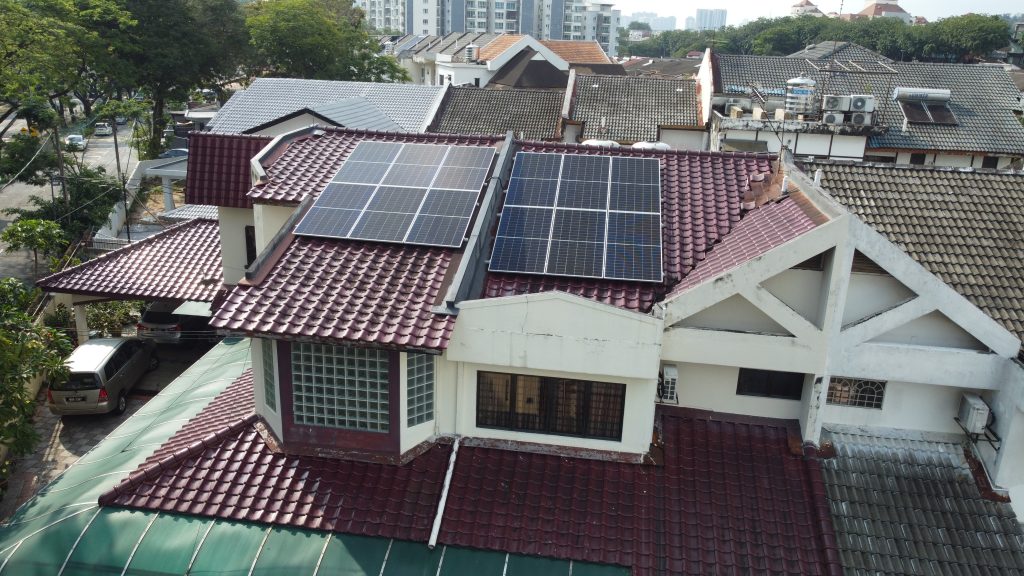
Once the necessary arrangements are ready, the installation team will install the mounting structure, solar panels, inverter, wiring and electrical protection equipment.
The system will then be inspected and tested to ensure that the equipment is working correctly and follows the approved design.
Learn more about Alpha Solar’s professional solar panel installation service.
Meter Arrangement and System Activation
TNB may check the existing meter and replace it with a suitable bi-directional meter where required. This records electricity imported from the grid and surplus solar electricity exported back to the grid.
After the required documents and meter arrangements are completed, the system can begin normal operation.
How Long Does Solar Installation Take?
The physical installation time depends on the number of panels, roof design, accessibility, electrical requirements and weather conditions. A clearer timeline can only be confirmed after the property assessment.
What Happens After Installation?
During daylight hours, the solar panels generate electricity for your home, reducing the amount of electricity purchased from TNB.
Depending on the inverter and monitoring system, you may also be able to track electricity generation through a mobile application or online platform.
Regular monitoring and professional solar panel maintenance can help identify equipment faults, wiring issues or unusual drops in generation.
Can You Install Solar Panels Yourself?
A grid-connected rooftop solar system should not be treated as a normal DIY home improvement project. It involves rooftop safety, electrical design, protection equipment, technical documents, testing and coordination with the relevant authorities.
Using an experienced solar provider helps ensure that the system is designed correctly, installed safely and supported after installation.
So, Is Solar Installation Complicated?
The technical side can be complicated, but the experience should remain straightforward for the homeowner when the project is handled by a qualified team.
Your main role is to provide the required information, review the proposal and allow access for the assessment and installation. The solar provider should manage the design, application, installation, testing and commissioning.
Alpha Solar plans each residential solar system according to the homeowner’s electricity usage, available roof space and property requirements.
Start With a Home Solar Assessment
Send Alpha Solar your latest TNB bill and basic property information. Our team can assess your electricity usage and recommend a suitable residential solar system.